French
  Deutsch
  Spanish
  الإمارات
  English
 Authentic pashmina is one of the most luxurious, rare, and culturally rich textiles in the world. Having worked closely with Himalayan fibres, artisans, and premium shawl manufacturers—including our own brand, we understand firsthand why original pashmina commands a significantly higher price than machine-made or blended alternatives. Its value is rooted in scarcity, craftsmanship, purity, and centuries-old heritage, making each piece a genuine investment rather than a simple fashion accessory.
The Rare Origin of Genuine Pashmina Fiber
The core reason behind pashmina’s premium price lies in the extreme rarity of its raw material. True pashmina is derived exclusively from the undercoat of the Changthangi (or Changra) goat, a rare breed native to the high altitudes of Ladakh in the Indian Himalayas.
These goats endure brutal -30°C winters, which naturally produces an ultra-fine, incredibly warm undercoat. But the yield is extremely limited:
- A single goat produces only 80–150 grams of usable fibre per year.
- One shawl often requires the annual wool of 2–3 goats.
This biological limitation creates a natural supply bottleneck. Unlike mass-produced fibres, pashmina cannot be farmed on a large scale. The climate, altitude, and geographical conditions that form pashmina cannot be replicated anywhere else on earth.
The fibre diameter of authentic pashmina ranges from 12 to 15 microns, making it much finer and softer than human hair. This fineness directly affects cost, purity, and luxury.
Handcrafted from Start to Finish: The Labor-Intensive Process
Original pashmina is 100% hand-processed, as machines can easily damage the delicate fibres. This manual production process is one of the most significant contributors to its price.
1. Hand Combing
Pashmina is collected during the natural molting season, using gentle hand-combing techniques to ensure fibres remain intact.
2. Hand Sorting
Trained artisans meticulously separate coarse hair from ultra-fine fibres—an extremely time-consuming and specialized task.
3. Hand Spinning
Pashmina is spun using a traditional charkha, often by Kashmiri women. Because the fibres are fragile, spinning requires immense precision and patience.
4. Hand Weaving
Each shawl is woven on traditional wooden looms. Depending on the design and weaving style, a single shawl can take several days to several months to complete.
5. Hand Embroidery (Optional)
Techniques like Sozni, Tilla, and Zari are entirely hand-done. Some fully embroidered pieces take 8–12 months, making them collectible heirloom pieces.
Every artisan involved—from the spinner to the embroiderer—contributes centuries-old expertise and must be compensated fairly, which naturally increases the overall cost. These are not factory workers but highly skilled craftsmen preserving an ancient tradition.
Purity and Quality Standards That Justify Higher Pricing
Authentic pashmina stands far above any blend of wool, silk, viscose, or acrylic.
When you touch real pashmina, you immediately notice:
- A buttery-soft texture
- Instant warmth due to superior insulation
- Feather-light weight
- Breathability that synthetics cannot match
Pure pashmina grading follows strict standards. The finer and purer the fibre, the higher the value. Value-added parameters like hand-spun yarn, natural dyes, and artisanal finishing further elevate quality.
Consumers often underestimate how much time and skill are required to maintain these purity standards. This is why authentic 100% pashmina rarely costs below ₹8,000—and high-grade pieces go much higher.
Design Complexity and Embroidery That Elevate Value
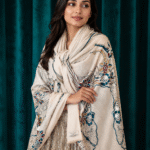
Many pashmina shawls feature intricate Kashmiri hand embroidery, transforming a simple shawl into wearable art. The pricing varies significantly based on:
- Type of embroidery (Sozni, Tilla, Papier Mache, Jamawar)
- Density of work
- Thread type (silk, metallic zari, or wool)
- Coverage area—border, pallu, or full-jama
Some masterpieces can take a full year to complete and are often priced between $500–$3000 or even higher for collectors’ editions. These are not just shawls; they are heritage pieces passed from generation to generation.

Limited Production and Authenticity Certification
Pashmina production is inherently limited due to:
- Restricted geographical conditions
- Seasonal raw material availability
- Dependency on hand processes
- Ethical sourcing guidelines
Reputable manufacturers issue Certificates of Authenticity, which include testing for:
- Fibre micron level
- Purity percentage
- Hand-spun and hand-woven confirmation
Authenticity certification adds value and filters out counterfeit products flooding the market.
Market Demand Exceeds Supply
Global demand for pashmina continues to rise, especially in:
- Europe
- Japan
- Middle East
- United States
However, the limited availability of raw fibre and reliance on skilled artisans means supply can never match global demand. As a result, prices remain sustainably high, and genuine pashmina becomes even more exclusive over time.
Additional economic factors also influence pricing:
- Rising artisan wages
- Increasing logistics and transport costs
- Inflation
- Fluctuating currency exchange rates
But despite these variables, demand remains robust—because pashmina remains irreplaceable in luxury fashion.
Heritage, Luxury, and Investment Value
Original pashmina is not a fast-fashion product. It represents:
- Centuries-old Himalayan heritage
- Royal patronage in Mughal and European courts
- Art, culture, and meticulous craftsmanship
- Sustainability through ethical animal care and hand production
Owning authentic pashmina is similar to acquiring a luxury watch or fine jewellery. It retains:
- Timeless appeal
- High resale value
- Collector’s significance
It is an heirloom textile meant to be preserved, cherished, and passed down.
Fake or machine-made shawls may look similar superficially but fail in:
- Softness
- Warmth
- Durability
- Authentic fibre identity
- Cultural and artistic value
The rule is simple: If it is too cheap, it is not pashmina.
Conclusion: Why Genuine Pashmina Is Worth Every Rupee
Authentic pashmina remains one of the purest expressions of luxury, shaped by Himalayan nature, skilled human hands, and centuries of tradition. Its cost reflects its rarity, craftsmanship, exclusivity, and heritage—qualities that cannot be reproduced by machines or synthetic fibres.
Choosing original pashmina is not just buying a shawl—it is investing in culture, sustainability, and timeless elegance.