
 French
  Deutsch
  Spanish
  الإمارات
  English
 When it comes to stocking kimonos, one of the most common questions retailers ask is: printed vs solid kimonos—what actually sells better? The answer isn’t as simple as choosing one over the other. In fact, both styles have unique advantages, target different audiences, and perform differently across markets.
Kimonos today are no longer just traditional garments. They’ve become global fashion essentials—used as layering pieces, beachwear, loungewear, and even statement outfits. That’s why understanding the difference between printed and solid kimonos can directly impact your sales and brand positioning.
Why Kimonos Are Trending in Global Fashion
Rise of Versatile Fashion
Modern consumers love clothing that does more. Kimonos are lightweight, stylish, and adaptable—perfect for today’s fast-paced lifestyle.
Influence of Social Media
Platforms like Instagram and Pinterest have made kimonos highly visible. Influencers often showcase bold printed styles, while fashion minimalists prefer solids. This dual trend fuels demand for both.
What Are Printed Kimonos?
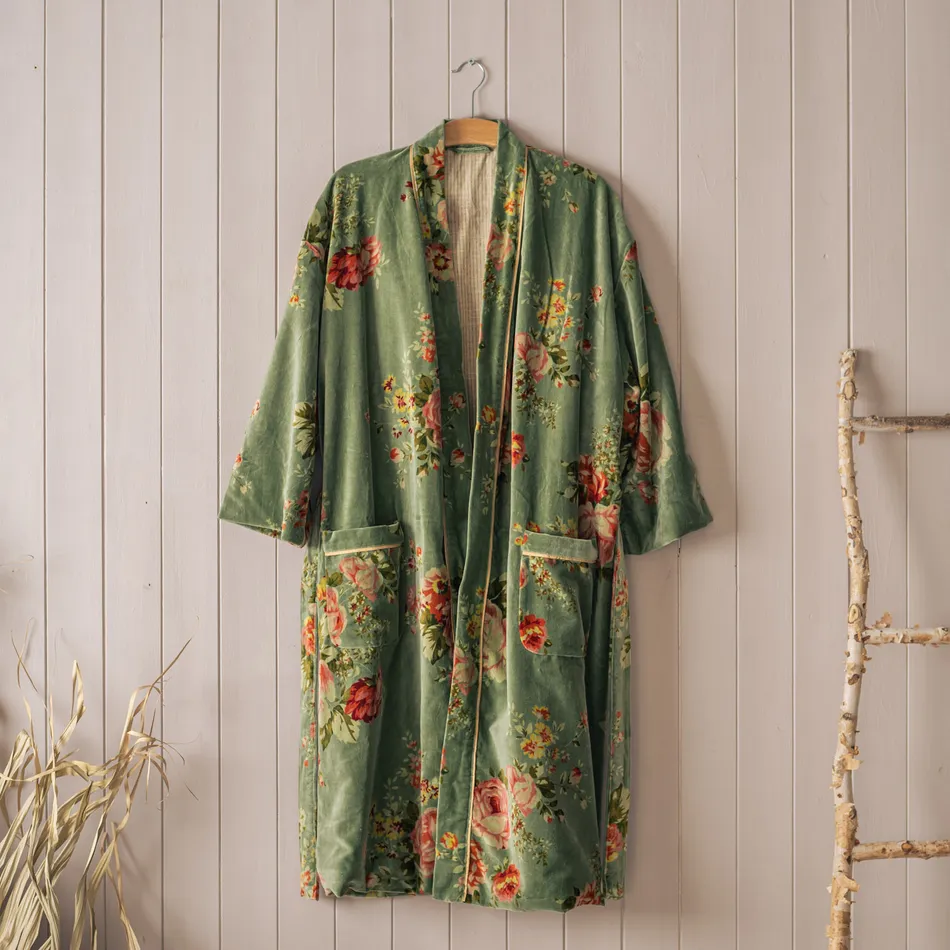
Printed kimonos feature patterns, designs, or graphics that make them visually striking.
Types of Prints
- Floral prints (most popular)
- Geometric designs
- Abstract patterns
- Bohemian and tribal prints
Key Features of Printed Kimonos
- Bold patterns: florals, paisley, geometric, abstract
- Vibrant and eye-catching color combinations
- Bohemian and resort-inspired aesthetics
- Often enhanced with tassels, lace, or fringe
Best Use Cases
- Casual wear and street fashion
- Beachwear and vacation outfits
- Festival and influencer styling
- Layering over basic outfits
Why They Sell Better
- Strong appeal on social media platforms and eCommerce
- Higher impulse purchase behavior
- Ideal for younger demographics (Gen Z & Millennials)
- Perfect for fast fashion and trend-based collections
Printed kimonos are often colorful and expressive, making them perfect for fashion-forward customers.
Popularity Among Younger Consumers
Younger buyers tend to gravitate toward printed styles because they:
- Stand out
- Look trendy
- Are perfect for social media
What Are Solid Kimonos?
Solid kimonos are single-color garments with minimal or no patterns.
Minimalist Fashion Appeal
Solid kimonos align with the growing minimalist trend. Customers who prefer clean, simple looks often choose solids.
Timeless Styling
Unlike prints, solids don’t go out of style. They’re classic, elegant, and easy to pair with any outfit.
Key Features of Solid Kimonos
- Clean, minimal designs
- Neutral or rich color palettes (black, white, beige, emerald, navy)
- Often made in premium fabrics like satin, silk, or modal
- Focus on silhouette and drape rather than print
Best Use Cases
- Formal wear and evening layering
- Workwear and smart casual outfits
- Luxury lounge and resort wear
- Capsule wardrobes and minimalist styling
Why They Perform Well
- Strong demand in high-end boutiques
- Higher perceived value = better profit margins
- Appeals to older and premium customers
- Less trend-dependent, ensuring longer shelf life
Printed vs Solid Kimonos: Direct Comparison
| Factor | Printed Kimonos | Solid Kimonos |
|---|---|---|
| Popularity | Very High | High |
| Trend Dependency | High | Low |
| Target Audience | Younger, trend-driven | Mature, premium buyers |
| Impulse Buying | Strong | Moderate |
| Profit Margins | Moderate to High | High |
| Shelf Life | Shorter (trend-based) | Longer (timeless) |
| Styling Versatility | Medium | Very High |
What Sells Better: Printed or Solid Kimonos?
The Clear Answer: Printed Kimonos Lead in Volume
If the goal is high sales volume and fast-moving inventory, printed kimonos outperform solids. Their visual appeal makes them easier to market, especially online.
But Solids Win in Profitability
If the focus is higher margins and premium positioning, solid kimonos deliver better returns due to:
- Lower design complexity
- Higher perceived luxury
- Repeat purchase potential
Best Strategy for Fashion Stores: Balanced Inventory Wins
The most successful fashion retailers do not choose one over the other—they strategically combine both.
Recommended Product Mix
- 60–70% Printed Kimonos
- For trend-driven sales and high turnover
- 30–40% Solid Kimonos
- For premium customers and stable margins
This approach ensures:
- Continuous cash flow from fast-selling printed styles
- Strong brand positioning through premium solid collections
Market Insights by Region (2026 Trends)
United States & Australia
- Printed kimonos dominate due to casual and beachwear culture
- High demand for boho and statement pieces
United Kingdom & Europe
- Solid kimonos perform better in minimalist fashion segments
- Neutral tones and clean silhouettes are preferred
UAE & Middle East
- Both segments perform well
- Printed for resort wear, solids for luxury layering
Fabric Impact: Printed vs Solid Performance
Fabric choice significantly affects sales performance.
Printed Kimonos Perform Best In:
- Rayon
- Cotton blends
- Chiffon
- Lightweight modal
Solid Kimonos Perform Best In:
- Satin
- Silk
- Viscose
- Premium modal
Combining the right fabric + design enhances both customer satisfaction and repeat sales.
Private Label Advantage in Both Categories
Fashion brands can maximize profits by investing in private label kimono production.
For Printed Kimonos:
- Custom prints aligned with brand identity
- Seasonal collections to match trends
For Solid Kimonos:
- Signature color palettes
- Premium finishing and branding
Private labeling allows businesses to differentiate in competitive markets while maintaining strong margins.
How to Maximize Sales with Smart Merchandising
To ensure both categories perform well:
- Display printed kimonos prominently for visual attraction
- Position solid kimonos in premium sections
- Use styling suggestions to highlight versatility
- Bundle kimonos with outfits for higher cart value
Conclusion: The Winning Formula for 2026
Both printed and solid kimonos play a crucial role in building a successful fashion collection. While printed kimonos drive volume and trend-based sales, solid kimonos ensure long-term profitability and brand elevation.
Retailers who strategically balance both categories will achieve:
- Higher inventory turnover
- Strong profit margins
- Broader customer reach
FAQs
1. Printed vs solid kimonos—which is better?
Both are important. Printed kimonos attract attention, while solids offer versatility and long-term use.
2. Which kimonos sell more online?
Printed kimonos generally perform better online due to their visual appeal.
3. Are solid kimonos outdated?
Not at all. They’re timeless and always in demand.
4. Should retailers stock both types?
Yes, a balanced mix ensures better sales and customer satisfaction.
5. Which is more profitable?
Printed kimonos bring quick sales, while solids provide consistent revenue.
6. What fabrics work best for both styles?
Cotton, silk, satin, and blends work well depending on the target market.
WoolGold – Leading Kimono Manufacturers
Global fashion brands are increasingly sourcing from countries like India to achieve premium quality at competitive pricing. We specialize in manufacturing printed and solid kimonos with luxury finishing, low MOQ, and scalable bulk production. Along with kimonos, we produce scarves, shawls, abayas, and complete apparel collections for men and women. With fast delivery, worldwide shipping, and affordable pricing, we help fashion businesses grow faster and more profitably. Partner with us to build your next bestseller collection.
