French
  Deutsch
  Spanish
  الإمارات
  English
 Kimonos have come a long way from traditional Japanese attire to becoming a global fashion staple. Today, they’re everywhere—from luxury boutiques to fast-fashion stores. If you’re wondering what type of kimonos should fashion stores keep, you’re already thinking in the right direction.
Fashion is evolving rapidly, and customers now demand versatility, comfort, and style all in one piece. That’s exactly what kimonos offer. Whether worn as beach cover-ups, layering pieces, or statement outfits, kimonos tick all the boxes.
Interestingly, global markets like the US, UK, UAE, and Australia have shown a rising demand for lightweight layering garments. This shift has made kimonos a must-stock item for retailers who want to stay ahead.
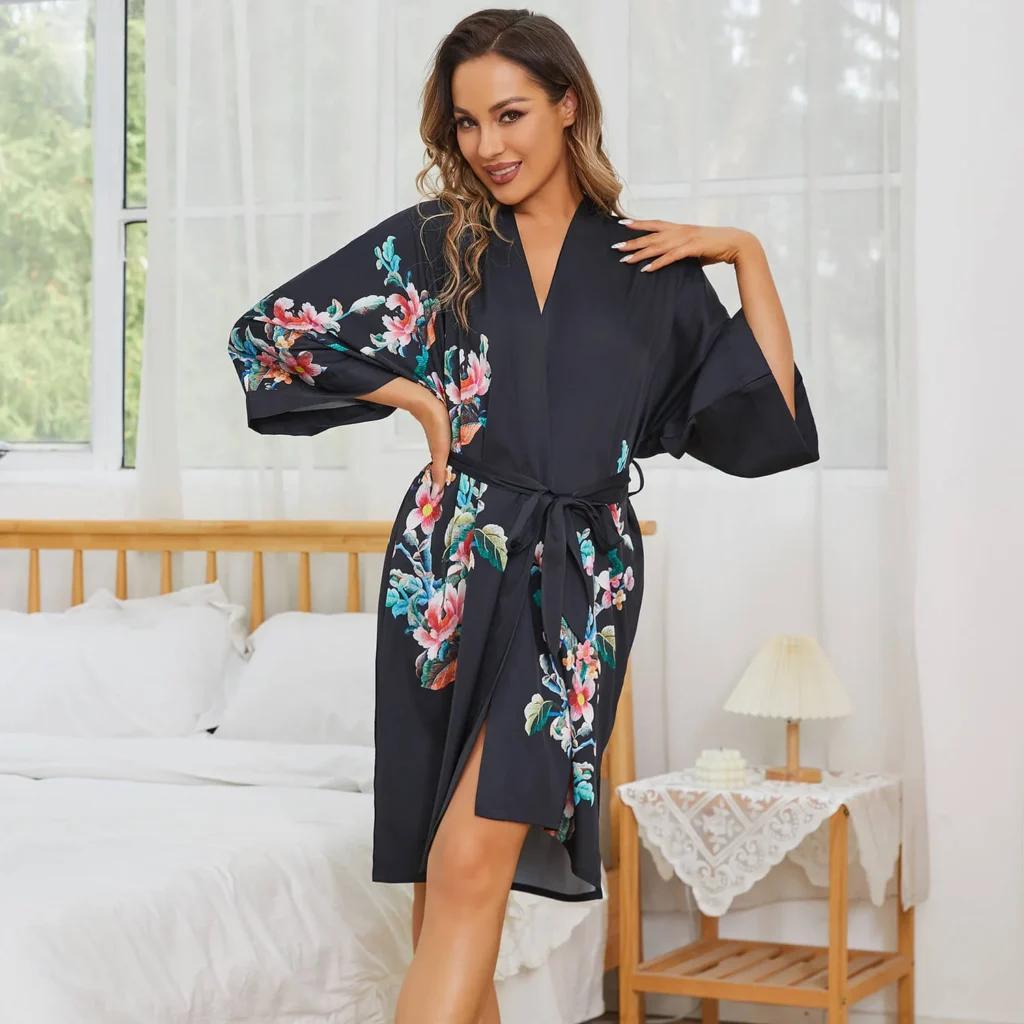
Why Kimonos Are a Must-Have for Fashion Stores
Growing Global Demand
Let’s be honest—fashion today is all about ease and elegance. Kimonos bring both together effortlessly. Consumers love pieces that can transition from casual to chic, and kimonos do that beautifully.
Retail data shows that layering garments are among the fastest-growing segments in women’s fashion. This means stocking the right types of kimonos can significantly boost your store’s sales.
Versatility Across Seasons
Another big advantage? Kimonos aren’t seasonal—they’re all-season winners.
- Summer: Lightweight, breathable cover-ups
- Winter: Layered styling with wool or heavier fabrics
- Spring/Fall: Transitional fashion essentials
That’s why retailers who understand what type of kimonos should fashion stores keep often enjoy consistent year-round sales.
Types of Kimonos Fashion Stores Should Stock
Choosing the right mix is crucial. Let’s break it down.
Casual Everyday Kimonos
These are your bread-and-butter products. Think simple designs, breathable fabrics, and affordable pricing.
Key Features:
- Lightweight cotton or rayon
- Minimal prints
- Relaxed fit
Perfect for:
- Daily wear
- Work-from-home fashion
- Travel outfits
Luxury Silk Kimonos
If you want to attract premium buyers, this is your go-to category.
Why they sell:
- High perceived value
- Elegant drape
- Perfect for gifting
Luxury kimonos are especially popular in high-end boutiques and online premium stores.
Printed & Bohemian Kimonos
These are trending big time—especially among younger audiences.
Popular styles include:
- Floral prints
- Tribal patterns
- Abstract designs
They’re Instagram-friendly, vibrant, and perfect for vacation wear.
Longline & Maxi Kimonos
These add drama and elegance.
Why stock them:
- Great for statement looks
- Ideal for layering
- Popular in Western markets
Short Kimono Jackets
Short kimonos are modern, edgy, and versatile.
They work well with:
- Jeans
- Dresses
- Office wear
Fabric Selection: The Key to Customer Satisfaction
Choosing the right fabric directly impacts customer retention and reviews.
Top Fabric Choices for Retailers:
- Cotton & Rayon: Best for affordability and breathability
- Modal & Viscose: Soft, premium feel with comfort
- Silk & Satin: Luxury positioning
- Chiffon & Georgette: Ideal for layering and resort wear
We recommend maintaining a balanced fabric portfolio to cater to both budget and luxury segments.
Color & Design Trends for 2026
To stay competitive, fashion stores must align with current trends.
Trending Colors:
- Earth tones: Olive, beige, rust
- Pastels: Lavender, mint, blush pink
- Classic monochromes: Black, white, ivory
Trending Designs:
- Minimalist solids with fine detailing
- Digital prints and abstract patterns
- Indo-western fusion styles
Stocking trend-aligned designs ensures higher customer engagement and faster inventory turnover.
Sizing Strategy for Maximum Sales
Kimonos offer a major advantage: flexible sizing.
Recommended Approach:
- Offer free-size or S/M/L grouped sizing
- Focus on oversized and relaxed fits
- Reduce SKU complexity while increasing conversion rates
This approach helps retailers minimize returns and simplify inventory management.
FAQs
1. What type of kimonos should fashion stores keep?
Fashion stores should stock a mix of casual, luxury, printed, longline, and short kimonos to cater to different customer segments.
2. Are kimonos profitable for retailers?
Yes, kimonos offer high margins, especially when sourced in bulk or through private labeling.
3. Which fabric is best for kimonos?
Cotton for daily wear, silk for luxury, and wool blends for winter collections.
4. Can kimonos be sold year-round?
Absolutely. They’re versatile and suitable for all seasons with the right fabric selection.
5. How can I start a kimono brand?
Start with a reliable manufacturer, choose your niche, and focus on branding and marketing.
6. What markets have high demand for kimonos?
The US, UK, UAE, and Australia are key markets with growing demand.
Stock Smart, Sell More, Scale Faster
Kimonos are not just a trend—they are a long-term profitable category for fashion retailers. By selecting the right mix of styles, fabrics, and price points, stores can unlock consistent sales growth and brand differentiation.
We specialize in manufacturing luxury-quality kimonos with low MOQ, helping brands across the US, UK, UAE, Australia, and beyond scale efficiently. With our expertise in B2B bulk production, private labeling, and global logistics, we empower fashion businesses to stay ahead in a competitive market.