French
  Deutsch
  Spanish
  الإمارات
  English
  Dutch
Dutch  English
 European consumers and regulators are paying closer attention to how textile products are made. For brands, sustainability in accessories now means more than a claim on a label. It means durable products, transparent sourcing and responsible production. This article outlines what buyers can look for.
Why Natural Fibres Matter
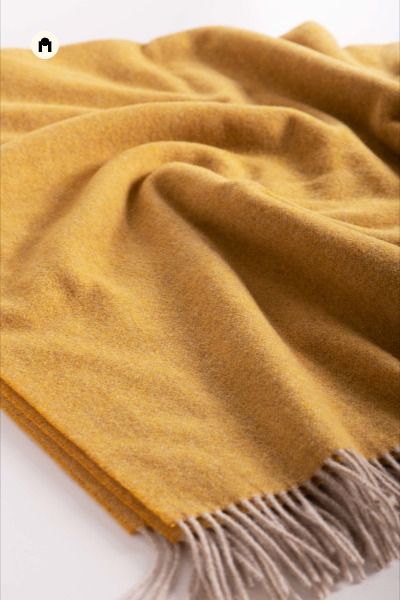
Fibres such as wool, cashmere and silk are valued for performance as well as origin. Wool insulates, manages moisture and resists wear, which supports long product life, and long-lasting products are central to any credible sustainability approach. As natural fibres, they also differ fundamentally from petroleum-based synthetics at the end of a product’s life.
The Direction of European Policy
European policy, including the EU Strategy for Sustainable and Circular Textiles, points toward longer-lasting products, greater transparency and more information for consumers. Brands should expect more questions from retailers and consumers about materials, origin and production methods. Confirm the specific requirements that apply to your products with your compliance advisor.
What Sustainable Sourcing Looks Like in Practice
- Know the fibre and its origin. Ask for clear composition and source information.
- Design for durability. Quality construction and well-chosen fibres extend product life.
- Reduce waste in development. Precise specifications and sampling avoid unnecessary rework and overproduction.
- Choose transparent partners. Look for a manufacturer willing to discuss materials, processes and practices openly.
- Avoid unsupported claims. Make only environmental claims you can substantiate.
Sustainable Design and Manufacturing at Woolgold (India)
Woolgold (India) specialises in sustainable design and manufacturing, producing scarves, shawls, stoles, throws and fabrics in silk, wool, cashmere and blends. We source premium fibres, including Australian merino, and our development approach is built on precision, which supports consistency and reduces waste. With more than 35 years of experience, we work with brand teams to align materials and processes with their own sustainability goals.
Frequently Asked Questions
Are natural fibre scarves more sustainable than synthetic ones?
Natural fibres offer durability and different end-of-life characteristics, but sustainability depends on sourcing, production and product life as a whole.

Can you provide fibre origin information?
Share what you need and our team will discuss what documentation we can provide for your project.
Do you support brands with sustainability requirements?
Yes. Share your standards and expectations at the brief stage so they can be built into development.
Talk to Our Team
Contact info@woolgold.com or visit www.woolgold.com to discuss materials and sustainability requirements for your next collection.