French
  Deutsch
  Spanish
  الإمارات
  English
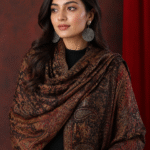
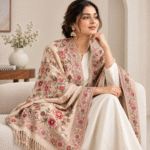
 Fashion brands looking to expand their accessories collections often choose custom shawls wholesale as a way to offer distinctive products that match their brand identity. Instead of purchasing generic shawls from a wholesale marketplace, brands can work directly with a manufacturer to develop custom fabrics, colors, patterns, sizes, finishes, labels, and packaging.
Custom wholesale shawls can be produced for fashion brands, boutiques, retailers, ecommerce businesses, wholesalers, designers, importers, and private-label companies. Depending on the target market, brands can choose from cashmere, pashmina, wool, merino wool, silk, cotton, modal, and blended fabrics.
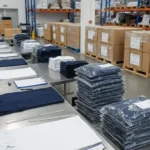
For businesses planning a new collection, the right manufacturing partner can help turn an initial design concept into samples and eventually a complete bulk production order.
Table of Contents
ToggleWhat Are Custom Wholesale Shawls?
Custom wholesale shawls are shawls manufactured according to a buyer’s specific product requirements rather than being selected entirely from a standard catalog.
Customization can include:
- Fabric
- Fibre composition
- Color
- Pattern
- Size
- Shape
- Border
- Printing
- Weaving
- Embroidery
- Finishing
- Logo
- Brand label
- Hangtags
- Packaging
This makes custom wholesale manufacturing particularly useful for fashion brands that want their shawls to look and feel like part of their existing collection.
Why Fashion Brands Choose Custom Shawls
A shawl can be much more than a seasonal accessory.
Fashion brands can use shawls to:
- Expand an existing collection
- Add a premium accessory category
- Complement clothing
- Create seasonal products
- Introduce new fabrics
- Develop exclusive patterns
- Offer private-label products
- Create gifting collections
- Increase their wholesale assortment
A customized shawl can be designed around the same colors, patterns, materials, and visual identity already used across the brand.
1. Choose the Right Fabric
The first major decision is selecting the fabric.
Cashmere Shawls
Cashmere can be suitable for premium collections requiring a soft handle and lightweight warmth.
Pashmina Shawls
Pashmina shawls can be developed for brands interested in soft, warm products with a traditional or refined aesthetic. Buyers should always confirm fibre composition and specifications with the manufacturer.
Wool Shawls
Wool is a versatile choice for autumn and winter collections and can support woven, printed, patterned, and textured designs.
Merino Wool Shawls
Merino wool can provide a finer wool option for contemporary fashion collections.
Silk Shawls
Silk is particularly suitable for lightweight fashion accessories, printed designs, occasionwear, and transitional collections.
Cotton Shawls
Cotton can be used for lightweight and everyday collections.
Modal Shawls
Modal and other lightweight fibres can provide soft, fluid products for fashion-oriented collections.
Silk-Cashmere and Other Blends
Blended fabrics can allow brands to combine characteristics of multiple fibres while developing different product and price points.
2. Create Custom Shawl Designs
One of the biggest benefits of working directly with a manufacturer is the ability to develop original designs.
Fashion brands can create:
- Floral patterns
- Geometric designs
- Paisley
- Abstract artwork
- Minimalist prints
- Heritage motifs
- Contemporary artwork
- Reversible patterns
- Signature borders
- Monograms
- Seasonal designs
Brands can provide their own artwork or specifications to the manufacturer.
For a private-label collection, the manufacturer can produce the approved designs according to the brand’s requirements.
3. Select the Manufacturing Technique
The production technique has a significant impact on the appearance of the final product.
Digital Printing
Digital printing is useful for detailed artwork, gradients, illustrations, and complex patterns.
It allows brands to develop highly customized printed shawls without being restricted to basic designs.
Hand and Block Printing
Hand or block printing can be appropriate for collections looking for a traditional or handcrafted appearance.
Jacquard Weaving
Jacquard shawls can incorporate intricate patterns directly into the woven structure of the fabric.
Yarn-Dyed Shawls
Yarn-dyed manufacturing creates patterns using differently colored yarns.
Embroidered Shawls
Embroidery can be used for borders, motifs, logos, decorative elements, or selected areas of a design.
Plain Woven Shawls
A plain shawl can focus attention on fabric quality, color, texture, finishing, and branding.
4. Customize Shawl Colors
Color customization allows brands to create products that fit their seasonal collections.
A wholesale collection could include:
Core shades
- Black
- Ivory
- Beige
- Camel
- Grey
- Navy
Seasonal shades
- Burgundy
- Rust
- Olive
- Forest green
- Chocolate
- Deep blue
Statement shades
- Red
- Emerald
- Cobalt
- Mustard
- Pink
Brands can also develop custom shades according to their collection’s color direction, subject to production and material requirements.
5. Customize Shawl Sizes
Different fashion brands have different requirements for shawl dimensions.
Possible formats include:
- Standard rectangular shawls
- Oversized wraps
- Square shawls
- Stoles
- Large winter wraps
- Lightweight fashion wraps
Size affects fabric consumption, product weight, packaging, and shipping costs, so dimensions should be finalized before bulk production.
6. Develop Signature Borders and Finishing
Small details can make a wholesale shawl collection more recognizable.
Brands can customize:
- Borders
- Tassels
- Fringes
- Rolled edges
- Embroidery
- Contrast borders
- Decorative motifs
- Reversible construction
- Woven details
A signature border used across several products can create consistency within a collection.
7. Private Label Custom Shawls
Fashion brands that want their own branded products can choose private-label shawl manufacturing.
Private-label customization can include:
- Company logo
- Brand name
- Woven labels
- Printed labels
- Care labels
- Hangtags
- Product cards
- Custom packaging
- Gift boxes
- Branded bags
This allows the wholesale product to become part of the brand’s own product range.
8. Custom Shawls for Clothing Brands
Shawls can complement many apparel categories.
Fashion brands can create shawls designed to coordinate with:
- Dresses
- Coats
- Jackets
- Knitwear
- Sweaters
- Suits
- Abayas
- Kaftans
- Eveningwear
- Casual clothing
For example, a clothing brand can create a shawl collection using colors that already appear in its autumn/winter apparel line.
This makes the shawl easier to merchandise as a coordinated accessory.
9. Custom Shawls for Boutiques
Boutiques often need products that are different from mass-market accessories.
Custom wholesale shawls allow boutiques to develop:
- Exclusive colors
- Limited collections
- Boutique-specific designs
- Private-label products
- Seasonal assortments
- Premium accessories
A boutique can also use shawls as complementary products alongside its main clothing categories.
10. Custom Shawls for Ecommerce Brands
Ecommerce businesses can use custom shawls to create products that are exclusive to their online store.
Custom products can help ecommerce brands build a distinct catalog rather than relying entirely on products that are available across multiple marketplaces.
Online brands should pay particular attention to:
- Product photography
- Fabric descriptions
- Dimensions
- Color representation
- Packaging
- Care instructions
- Shipping
- Product storytelling
Close-up photography is particularly useful for showing the texture, printing, embroidery, borders, and finishing of a shawl.
11. Understand Wholesale MOQ
MOQ stands for Minimum Order Quantity.
MOQ can vary depending on:
- Fabric
- Design
- Printing technique
- Weaving technique
- Embroidery
- Number of colors
- Size
- Packaging
- Customization
Fashion startups should discuss MOQ before finalizing designs.
A manufacturer offering suitable production quantities can allow a brand to test new products without unnecessarily committing to large amounts of inventory.
12. Request Samples Before Wholesale Production
Sampling is one of the most important stages of custom shawl manufacturing.
Brands should evaluate:
- Fabric composition
- Fabric feel
- Weight
- Dimensions
- Color
- Pattern
- Print quality
- Weaving
- Embroidery
- Border
- Edge finishing
- Label
- Packaging
Any changes should be communicated before bulk production begins.
Once the final sample is approved, it can serve as an important reference for bulk manufacturing.
13. Ask About Quality Control
Quality control should cover the entire manufacturing process.
Important checkpoints include:
- Raw material inspection
- Fabric inspection
- Color approval
- Design approval
- Production monitoring
- Printing/weaving inspection
- Dimensional inspection
- Finishing inspection
- Final product inspection
- Packing inspection
Brands should establish clear quality specifications with their manufacturer before placing a large order.
14. Compare Complete Wholesale Costs
The quoted factory price is not necessarily the final cost of the product.
A fashion brand should consider:
- Fabric
- Dyeing
- Printing
- Weaving
- Embroidery
- Finishing
- Labels
- Packaging
- Sampling
- Quality inspection
- Freight
- Customs
- Duties
- Taxes
- Warehousing
Calculating the complete landed cost of custom shawls helps brands establish appropriate wholesale and retail pricing.
15. Consider Production Lead Time
Custom production generally involves more steps than purchasing ready-made products.
The timeline may include:
Design → Material Selection → Sampling → Sample Approval → Production → Quality Inspection → Packaging → Shipping
Brands should ask their manufacturer about both sample-development time and bulk-production lead time.
It is also important to separate manufacturing time from international transportation and customs clearance.
16. Customize Shawl Packaging
Wholesale buyers can customize packaging according to their brand positioning.
Options may include:
- Branded boxes
- Gift boxes
- Fabric pouches
- Custom bags
- Hangtags
- Care cards
- Product cards
- Tissue paper
- Custom inserts
Packaging can be especially important for premium fashion collections and gifting products.
17. Work With an Export-Experienced Manufacturer
For international fashion brands, manufacturing is only one part of the supply chain.
An experienced export supplier should understand:
- International documentation
- Packaging requirements
- Freight options
- Export procedures
- Product specifications
- Shipping timelines
- Repeat orders
Brands sourcing internationally should discuss the complete process before placing their first bulk order.
18. Custom Shawls for Seasonal Collections
Custom shawls can be developed around different seasonal requirements.
Autumn/Winter
Focus on:
- Cashmere
- Pashmina
- Wool
- Merino wool
- Silk-cashmere
- Heavier woven products
Spring
Consider:
- Silk
- Cotton
- Modal
- Lightweight wool
- Blends
Transitional Collections
Lightweight shawls can provide an additional layer without the weight of traditional winter accessories.
19. How to Order Custom Shawls Wholesale
A typical B2B ordering process can follow these steps:
Step 1: Define your target customer.
Step 2: Decide your shawl collection concept.
Step 3: Select fabric.
Step 4: Develop designs and colors.
Step 5: Select the manufacturing technique.
Step 6: Find a suitable manufacturer.
Step 7: Discuss MOQ and pricing.
Step 8: Request samples.
Step 9: Approve the final sample.
Step 10: Finalize labels and packaging.
Step 11: Place the wholesale order.
Step 12: Complete production.
Step 13: Conduct quality inspection.
Step 14: Arrange shipping.
Step 15: Receive and launch the collection.
20. Questions to Ask a Custom Shawl Manufacturer
Before placing an order, fashion brands should ask:
- What shawl fabrics do you manufacture?
- What is your MOQ?
- Can you develop custom designs?
- Can I provide my own artwork?
- Can you match custom colors?
- What printing methods are available?
- Do you manufacture jacquard shawls?
- Can you provide embroidered shawls?
- Can you add my logo?
- Can you provide private-label packaging?
- How long does sampling take?
- How long does bulk production take?
- What quality-control process do you follow?
- Can you handle repeat orders?
- Do you export internationally?
- What shipping options are available?
These questions can help brands compare suppliers before committing to production.
21. Custom Shawl Collection Checklist
Before confirming your wholesale order, make sure you have:
- Target market
- Collection concept
- Fabric
- Design
- Color palette
- Manufacturing technique
- Size
- Finishing
- MOQ
- Sample
- Quality specifications
- Logo
- Labels
- Packaging
- Production timeline
- Shipping plan
- Final landed cost
Custom Shawls Wholesale From Woolgold
Woolgold works with fashion brands, boutiques, retailers, ecommerce businesses, wholesalers, designers, importers, and corporate buyers looking for custom and private-label shawl manufacturing.
Brands can develop custom wholesale shawls in pashmina, cashmere, wool, merino wool, silk, cotton, modal, and blended fabrics. Products can be developed around the buyer’s preferred fabric, colors, patterns, dimensions, manufacturing technique, finishing, and overall collection concept.
Woolgold supports manufacturing techniques including digital printing, hand/block printing, jacquard weaving, yarn-dyed production, embroidery, and woven shawl manufacturing. Buyers can provide their own artwork and product specifications or discuss customized development based on their brand requirements.
For private-label collections, brands can customize company logos, brand names, labels, hangtags, packaging, colors, patterns, sizes, and finishing. Production quantities can be discussed according to the product and customization requirements, making the service suitable for both emerging fashion businesses and established B2B buyers.
Woolgold also manufactures scarves, throws, blankets, fabrics, kimonos, kaftans, co-ord sets, abayas, and other clothing and textile products, allowing brands to develop complementary product ranges through one manufacturing partner.
For fashion brands searching for custom shawls wholesale, Woolgold provides support across product development, sampling, private labeling, bulk manufacturing, quality control, and worldwide B2B delivery.