French
  Deutsch
  Spanish
  الإمارات
  English
 We understand that store design is not about aesthetics alone. It is a strategic sales tool that influences customer behavior, purchase decisions, dwell time, and average order value. A well-designed fashion store guides customers naturally, highlights the right products, and converts browsing into buying.
In competitive retail environments, smart store design often outperforms aggressive pricing or promotions. The layout, lighting, product placement, and flow collectively determine how much a customer buys—and how often they return.
Design With Customer Psychology in Mind
We design stores by first understanding how customers think and move. Customers prefer clarity, comfort, and inspiration. Confusing layouts, overcrowded racks, or poor lighting reduce conversion.
Customer-focused design principles include:
- Clear navigation paths
- Logical product grouping
- Comfortable spacing
- Visual hierarchy
Design must reduce friction and increase confidence.
Create a Strong First Impression at the Entrance
We treat the entrance as the most valuable real estate in the store. The first few seconds determine whether customers stay or leave.
High-impact entrance design includes:
- Clean, open space
- Best-selling or new-arrival displays
- Seasonal or lifestyle storytelling
- Clear brand messaging
The entrance should instantly communicate value and relevance.
Use Layouts That Encourage Movement and Discovery
We choose layouts that encourage customers to explore the entire store rather than rush to the exit. Strategic layouts increase dwell time and impulse purchases.
Effective layout styles include:
- Grid layouts for clarity and efficiency
- Free-flow layouts for discovery and browsing
- Zoning layouts for category-based shopping
The goal is to guide movement without forcing it.
Zoning Products to Increase Basket Value
We divide the store into purposeful zones based on customer intent. Each zone serves a specific role in the buying journey.
Common high-performing zones:
- New arrivals and trend zone
- Core evergreen products
- Accessories and add-on items
- Premium or statement pieces
Zoning improves product visibility and cross-selling.
Why Accessories Deserve Prime Placement
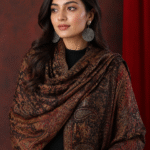
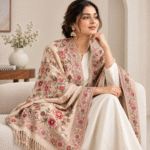
We always give accessories like scarves, shawls, wraps, and blankets prime visibility. Accessories deliver high margins and impulse purchases when placed strategically.
Accessories sell better when:
- Positioned near checkout counters
- Paired with outfits
- Displayed at eye level
- Styled rather than stacked
Accessories convert browsing into immediate action.
Use Visual Merchandising to Tell a Story
We believe products sell faster when they are part of a story. Visual merchandising connects products emotionally with customers.
Strong visual merchandising includes:
- Styled mannequins
- Coordinated color palettes
- Lifestyle-based displays
- Minimal yet impactful signage
Stories sell more than shelves.
Lighting That Enhances Products, Not Distracts
We prioritize lighting as a sales driver. Poor lighting hides product quality, while well-planned lighting elevates perceived value.
Sales-focused lighting strategies:
- Warm lighting for premium feel
- Focus lighting on hero products
- Even lighting across aisles
- Shadow-free fitting areas
Lighting should enhance texture, color, and fabric.
Design Displays Around Bestsellers, Not Inventory
We design displays based on what sells—not what needs clearing. Bestsellers attract attention and pull customers deeper into the store.
Display strategies include:
- Front-facing bestsellers
- Rotating hero products weekly
- Highlighting high-margin items
- Limiting overcrowding
Strong products deserve strong presentation.
Fitting Rooms as Conversion Zones
We treat fitting rooms as decision-making zones, not afterthoughts. A poor fitting room kills sales; a good one closes them.

High-conversion fitting rooms include:
- Clean, spacious layouts
- Flattering lighting
- Comfortable seating
- Easy access to assistance
Comfort increases confidence and purchases.
Checkout Area Designed for Add-On Sales
We design checkout zones to encourage last-minute purchases without pressure. This area is ideal for small, high-margin items.
Best checkout add-ons include:
- Scarves and lightweight shawls
- Small accessories
- Giftable items
- Travel-friendly products
Impulse placement boosts average order value.
Color Psychology in Store Design
We use color strategically to influence mood and behavior. Color affects how long customers stay and how they perceive pricing.
Effective color usage:
- Neutral tones for calm browsing
- Accent colors for highlights
- Consistent brand palette
- Avoiding visual clutter
Balanced colors improve focus and flow.
Keep the Store Uncluttered and Scannable
We design for clarity. Overloaded racks and excessive signage overwhelm customers and reduce sales.
Uncluttered design principles:
- Fewer products per rack
- Clear sightlines
- Consistent spacing
- Simple signage
Less visual noise leads to higher conversions.
Seasonless Design for Year-Round Sales
We create flexible store designs that adapt across seasons without major changes. Seasonless layouts reduce costs and maintain consistency.
Seasonless design includes:
- Modular fixtures
- Adjustable displays
- Neutral base aesthetics
- Rotating product focus
Flexibility supports long-term efficiency.
Align Store Design With Brand Positioning
We ensure that store design reflects brand values. Premium brands require refined layouts, while mass-market brands need accessibility and clarity.
Design must communicate:
- Brand quality level
- Price positioning
- Target audience
- Lifestyle identity
Consistency builds trust and recognition.
Why Store Design Reduces Dependency on Discounts
We observe that well-designed stores rely less on promotions. Strong presentation increases perceived value.
Design-driven benefits include:
- Higher full-price sell-through
- Reduced markdowns
- Stronger brand perception
- Better customer retention
Design protects margins.
How We at Woolgold Support Store Success
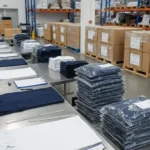
We at Woolgold work closely with fashion brands and retailers to support product assortments that perform exceptionally in well-designed stores. As manufacturers of scarves, shawls, blankets, and premium accessories, we supply products that enhance visual merchandising and drive add-on sales.
We provide:
- Low MOQ manufacturing for flexible store planning
- Premium materials and consistent quality
- Private label and customization options
- Worldwide delivery for global retailers
Our products integrate seamlessly into high-conversion store layouts.
Conclusion: Design Is a Silent Salesperson
We believe store design is the most powerful silent salesperson in fashion retail. When layout, lighting, product placement, and storytelling align, sales follow naturally.
Fashion stores that design intentionally—not randomly—achieve higher conversions, stronger brand identity, and sustainable growth. Strategic design turns space into profit.