French
  Deutsch
  Spanish
  الإمارات
  English
 A profitable fashion store is not built on quantity, but on a well-balanced, data-driven product mix. The right assortment increases conversion rates, boosts average order value, and ensures consistent cash flow throughout the year. We focus on selecting products that sell frequently, complement one another, and deliver strong margins without overcomplicating inventory management.
Below is a structured and comprehensive guide to building the best product mix for a profitable fashion store, designed for boutiques, retailers, and multi-brand outlets looking to scale sustainably.
Core Apparel That Drives Regular Footfall
Every profitable fashion store begins with dependable core apparel. These products generate repeat visits and establish trust with customers. We prioritize versatile designs that appeal across age groups and seasons.
Essential core apparel includes:
- Everyday tops and shirts
- Dresses for casual and semi-formal use
- Trousers and skirts
- Coordinated sets
- Seasonal outerwear
These categories form the backbone of the store’s revenue and support predictable sales patterns.
Trend-Led Pieces for Visibility and Excitement
While basics ensure stability, trend-led pieces create excitement and draw attention. We carefully integrate trends without overexposure, ensuring they enhance rather than disrupt profitability.
Key trend categories include:
- Seasonal color stories
- Limited-edition silhouettes
- Print-focused collections
- Occasion-specific fashion
Trend products attract new customers and keep the store visually fresh, increasing walk-ins and online engagement.
Scarves: The Highest ROI Product Category
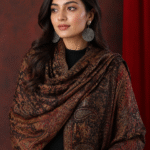
Scarves are one of the most profitable products in any fashion store. As a leading bulk manufacturer of shawls and scarves, we consistently see scarves outperform many apparel categories due to their versatility, ease of styling, and high perceived value.
Scarves strengthen the product mix by:
- Increasing average order value
- Encouraging impulse buying
- Selling across all seasons
- Supporting private label branding
From lightweight fashion scarves to winter shawls, this category offers exceptional return on investment with minimal operational complexity.
Shawls for Premium and Luxury Appeal
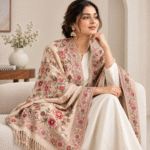
Shawls allow fashion stores to move into higher price segments without expanding size ranges or fit complexities. They appeal to customers seeking comfort, warmth, and elegance.
Benefits of including shawls:
- Higher margins per unit
- Strong gifting demand
- Cross-season relevance
- Easy merchandising
Shawls elevate brand perception and balance mass-market products with premium offerings.
Accessories That Boost Cart Value
Accessories are essential for profitability. We include a curated selection of add-on products that complement apparel and encourage complete look purchases.
High-performing accessory categories include:
- Belts
- Bags and clutches
- Jewelry essentials
- Hair accessories
Accessories require lower investment and deliver strong margin uplift when positioned correctly.
Layering Products for Year-Round Sales
Layering pieces extend the usability of the collection and reduce seasonality risks. These products sell across climates and styling needs.
Key layering products include:
- Cardigans and shrugs
- Lightweight jackets
- Wraps and overlays
Scarves naturally function as layering essentials, reinforcing their importance in a balanced product mix.
Private Label Products for Margin Control
Private label products provide pricing control and brand exclusivity. We recommend starting private label expansion with accessories, especially scarves and shawls, due to lower development costs and faster production cycles.

Private label advantages include:
- Higher profit margins
- Brand differentiation
- Reduced price competition
- Strong customer loyalty
This strategy transforms retailers into recognizable brands rather than price-driven sellers.
Seasonal and Festive Collections
Seasonal capsules refresh the product mix and create urgency. These collections encourage repeat visits and bulk purchasing during peak periods.
Key seasonal categories include:
- Festive wear
- Winter accessories
- Summer-friendly fabrics
Scarves adapt seamlessly to seasonal themes, making them a reliable component of every seasonal drop.
Gifting-Oriented Products
Gifting products generate incremental revenue and attract new customers. We ensure the product mix includes items suitable for gifting across age groups and occasions.
Top gifting products include:
- Scarves and shawls
- Accessories with premium packaging
- Limited-edition collections
Scarves remain one of the most universally accepted fashion gifts due to ease of sizing and broad appeal.
Footwear as a Supporting Category
Footwear completes the fashion offering but should remain tightly curated. We recommend limited SKUs aligned with the store’s aesthetic.
Essential footwear categories include:
- Everyday flats
- Seasonal sandals
- Occasion-focused designs
Footwear should complement apparel and accessories without overloading inventory.
Operationally Efficient Products
Profitability improves when operations are simple. We prioritize products that are easy to store, replenish, and ship.
Scarves and accessories offer:
- Low storage requirements
- Minimal size variation
- High stock turnover
- Easy global shipping
These factors reduce overhead and improve scalability.
Data-Led Inventory Optimization
We continuously refine the product mix using sales data and customer behavior insights. Bestsellers receive deeper investment, while slow-moving items are phased out.
This disciplined approach ensures capital is allocated to products that generate the highest returns.
Conclusion: Build a Product Mix That Maximizes Profit
The best product mix for a profitable fashion store balances core apparel, trend-led pieces, and high-margin accessories. By prioritizing scalable categories like scarves and shawls, introducing private label products, and managing inventory strategically, fashion stores achieve consistent growth and strong margins.
Profitability is the result of intentional assortment planning, not excess variety. When every product earns its place, the fashion store becomes resilient, competitive, and positioned for long-term success.