French
  Deutsch
  Spanish
  الإمارات
  English
 A successful fashion store is built on strategic product selection, not random assortment. The right product mix increases footfall, improves conversion rates, and maximizes profit per customer. Every fashion store—whether boutique, multi-brand outlet, or online retailer—needs a balanced inventory that combines high-demand staples, trend-driven pieces, and high-margin add-ons.
We focus on products that sell consistently, complement each other, and support long-term brand growth. Below is a comprehensive guide outlining the essential products every fashion store should keep to remain competitive and profitable.
Core Apparel Essentials
Every fashion store must anchor its assortment with reliable core apparel. These are products customers actively search for and purchase regularly. We prioritize timeless designs over short-lived trends to ensure steady sales.
Key apparel essentials include:
- Everyday tops and shirts
- Dresses for multiple occasions
- Casual and smart trousers
- Seasonal outerwear
- Coordinated sets
These items establish the store’s identity and provide consistent turnover across seasons.
Statement Pieces That Define Style
Beyond basics, fashion stores need statement products that create visual impact and differentiate the brand. These pieces draw attention, attract new customers, and encourage social sharing.
Statement products include:
- Limited-edition designs
- Unique silhouettes
- Signature prints or textures
- Seasonal trend highlights
Statement pieces enhance brand perception and elevate the overall collection.
Scarves: A Must-Have High-Margin Essential
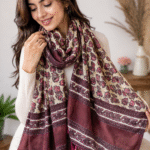
Scarves are one of the most important products every fashion store should keep. They are versatile, seasonless, and universally appealing. As a leading bulk manufacturer of shawls and scarves, we consistently see scarves outperform many apparel categories in terms of margin and repeat sales.
Scarves add value by:
- Increasing average order value
- Encouraging impulse purchases
- Complementing both casual and formal wear
- Offering easy private label opportunities
From lightweight fashion scarves to premium winter shawls, this category delivers consistent profitability with minimal risk.
Shawls for Premium Positioning
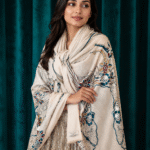
Shawls elevate a fashion store’s assortment. They appeal to customers seeking comfort, warmth, and elegance. Shawls work especially well in boutiques and premium outlets due to their perceived value.
Benefits of stocking shawls include:
- Higher price points
- Strong gifting demand
- Seasonal and cross-seasonal relevance
- Excellent branding potential
Shawls also allow stores to enter the luxury accessory segment without heavy investment.
Everyday Accessories That Drive Add-On Sales
Accessories transform outfits and boost cart value. Every fashion store should maintain a curated selection of accessories that complement its apparel offering.
Essential accessories include:
- Belts
- Bags and clutches
- Jewelry basics
- Hair and styling accessories
Accessories encourage customers to complete their look, increasing overall transaction value.
Layering Pieces for Year-Round Sales
Layering items provide flexibility and expand styling possibilities. These products sell across seasons and climates.
Important layering products include:
- Lightweight jackets
- Cardigans and wraps
- Shrugs and overlays
Scarves function as ideal layering pieces, reinforcing their importance in every fashion store.
Footwear That Complements the Collection
Footwear completes the fashion offering. We recommend keeping a focused selection rather than excessive variety.

Key footwear categories include:
- Everyday flats
- Seasonal sandals
- Occasion wear options
Footwear should align with the store’s aesthetic and target customer preferences.
Private Label Products for Brand Control
Private label products transform fashion stores into brands. We recommend introducing private label accessories first, particularly scarves and shawls, due to low development costs and high branding impact.
Private label advantages include:
- Higher profit margins
- Exclusive product offerings
- Stronger brand recall
- Pricing control
This strategy reduces dependency on external brands and strengthens long-term profitability.
Seasonal and Festive Collections
Seasonal drops keep collections fresh and customers engaged. These collections create urgency and repeat visits.
Key seasonal categories include:
- Festive wear
- Winter accessories
- Summer-friendly fabrics
Scarves adapt easily to seasonal themes, making them a reliable product for every collection update.
Gifting-Friendly Products
Gifting drives incremental revenue. Every fashion store should stock products suitable for gifting occasions.
Ideal gifting products include:
- Scarves and shawls
- Accessories with premium packaging
- Limited-edition items
Scarves remain one of the most popular fashion gifts due to universal sizing and styling flexibility.
Products That Are Easy to Stock and Scale
Operational efficiency matters. We prioritize products that are easy to store, transport, and replenish.
Scarves and accessories offer:
- Low storage requirements
- Minimal size variations
- High stock turnover
- Easy global shipping
These advantages make them ideal for both physical and online fashion stores.
Data-Driven Bestsellers
Every fashion store should regularly analyze sales data to identify best-performing products. We refine inventory based on real customer demand rather than assumptions.
Products that consistently sell well receive deeper stock investment, while underperformers are phased out. This ensures capital is always allocated efficiently.
Build a Balanced, Profitable Product Mix
The most successful fashion stores combine core apparel, statement pieces, and high-margin accessories to create a balanced assortment. By stocking essentials like scarves and shawls, investing in private label opportunities, and maintaining a strategic product mix, fashion stores maximize profitability while minimizing risk.
Product selection is not about volume—it is about relevance, rotation, and return on investment. When these principles guide inventory decisions, every fashion store becomes more competitive, scalable, and profitable.