French
  Deutsch
  Spanish
  الإمارات
  English
 The fashion retail landscape in 2026 is more competitive, data-driven, and customer-centric than ever before. To consistently increase sales, fashion retailers must align inventory intelligence, omnichannel experiences, personalized marketing, and immersive store environments into one unified strategy. We no longer sell only products—we sell experiences, convenience, trust, and relevance.
This comprehensive guide outlines proven, modern strategies that fashion retailers can implement to drive higher conversions, increase average order value, and build long-term customer loyalty in 2026.
Strategic Overview: The Modern Fashion Retail Growth Framework
To increase sales in a fashion retail store, we focus on five interconnected pillars:
- Intelligent inventory & product strategy
- Seamless omnichannel integration
- High-conversion store design & visual merchandising
- Precision marketing & customer retention
- Data-backed decision-making & continuous optimization
When executed together, these pillars create a frictionless and engaging shopping journey that directly translates into sustainable revenue growth.
1. Add High-Margin Accessories to Increase Profitability
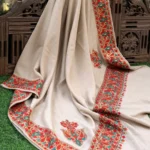
To significantly improve margins and increase average order value, we strategically add high-profit accessories such as scarves, stoles, shawls, and wraps to our core fashion inventory. Accessories require lower inventory investment, have fewer size-related issues, and offer higher mark-up potential compared to apparel. Scarves, in particular, function as versatile add-on products that complement dresses, coats, blazers, and casual wear, making them ideal for cross-merchandising at checkout zones and high-traffic store areas. By positioning scarves as styling essentials rather than optional extras, we encourage impulse purchases while enhancing outfit completion. This approach not only boosts per-transaction revenue but also strengthens brand perception through curated, fashion-forward accessory offerings.
2. Optimize Inventory and Product Mix for Maximum Sell-Through
Inventory remains the single biggest profit lever in fashion retail. In 2026, success depends on precision, speed, and adaptability.
AI-Powered Demand Forecasting
We use AI-driven analytics to predict demand by SKU, size, color, and region. This approach minimizes overstock, reduces markdown dependency, and ensures high-demand items are always available.
Key outcomes:
- Higher sell-through rates
- Reduced dead stock
- Improved gross margins
Localized Merchandising Strategy
Every store has a unique customer profile. We empower store teams with real-time sales insights to tailor assortments based on local buying behavior, climate, and demographics.
Localized merchandising results in:
- Faster inventory turnover
- Increased customer relevance
- Higher in-store conversion rates
Agile and Fast-Response Supply Chains
Trend cycles are shorter than ever. Limited-edition drops, capsule collections, and fast replenishment models create urgency and scarcity—two of the strongest drivers of fashion sales.
Sustainable Inventory Practices
Sustainability is no longer optional. Smaller batch production, pre-order models, and resale or recommerce programs attract eco-conscious consumers while reducing financial risk.
3. Leverage Omnichannel Retail to Capture Every Sale Opportunity
Customers expect seamless movement between online and offline touchpoints. Omnichannel retailers consistently outperform single-channel competitors.
Unified Commerce Systems
We integrate POS, e-commerce, mobile apps, CRM, and inventory systems to create real-time visibility across all channels.
Benefits include:
- Consistent pricing and promotions
- Accurate stock availability
- Smoother customer journeys
Buy Online, Pick Up In-Store (BOPIS)
BOPIS and curbside pickup significantly boost conversion rates while increasing foot traffic. Customers who enter stores often make additional impulse purchases.
Virtual Try-On and AR Experiences
Augmented reality and virtual fitting rooms reduce hesitation, increase confidence, and dramatically lower return rates—especially for online shoppers.
AI Chatbots and Smart Recommendations
AI-powered assistants deliver instant support, personalized styling advice, and product recommendations, driving higher engagement and faster purchase decisions.
4. Design High-Converting Store Layouts and Visual Merchandising
Physical stores remain powerful revenue engines when designed for experience and efficiency.
Optimized Store Flow
We strategically place power walls and bestsellers on the right side of entrances, guiding customer movement through high-margin zones.
Story-Driven Visual Merchandising
We merchandise complete looks instead of individual items. Cross-merchandising encourages customers to buy entire outfits, increasing average order value.

Lighting and Fitting Room Excellence
Well-lit fitting rooms with flattering, neutral lighting dramatically increase try-on rates and purchase confidence. Comfortable fitting areas reduce decision fatigue.
Multi-Sensory Retail Experience
Scent marketing, curated playlists, and tactile product displays extend dwell time and emotionally connect customers to the brand.
5. Execute High-Performance Marketing and Promotion Strategies
Marketing in 2026 is hyper-personalized, community-driven, and performance-focused.
Influencer and Social Commerce
Micro-influencers deliver higher trust and engagement than traditional ads. Authentic styling content, reels, and live shopping sessions drive discovery and conversion simultaneously.
AI-Driven Personalization
We personalize emails, SMS, app notifications, and website content using behavioral data. Personalized offers consistently outperform generic campaigns.
Loyalty Programs That Drive Repeat Sales
Tiered loyalty programs, exclusive access, and early drops turn one-time buyers into brand advocates. Repeat customers spend more and cost less to retain.
Scarcity, Drops, and Exclusivity
Limited releases and collaborations create urgency, hype, and sell-outs—fueling both revenue and brand desirability.
Experiential and Event-Based Marketing
Pop-ups, styling workshops, influencer meetups, and in-store events increase footfall and generate organic social buzz.
6. Understand and Act on Modern Customer Behavior
Data reveals clear patterns in how today’s fashion consumers shop.
Omnichannel Research Behavior
Most shoppers research online before buying in-store. Consistent messaging, reviews, and pricing across platforms directly impact purchase decisions.
Social Proof and Peer Influence
User-generated content, reviews, and influencer styling play a decisive role—especially for Gen Z and Millennials.
Value, Pricing, and Sustainability
Customers seek value beyond price. Transparent sourcing, ethical production, and durability increase brand trust and willingness to pay.
Advanced Personalization
We leverage purchase history, browsing behavior, and preferences to deliver relevant recommendations at every touchpoint.
7. Measure, Analyze, and Continuously Improve Performance
Growth in 2026 depends on constant optimization.
Key Retail KPIs to Track
- Sales per square foot
- Conversion rate
- Average order value (AOV)
- Inventory turnover
- Customer lifetime value
Real-Time Analytics and Dashboards
Live dashboards allow quick adjustments to pricing, merchandising, and promotions—maximizing performance daily.
Continuous Testing and Optimization
We test layouts, displays, offers, and campaigns regularly. Small refinements compound into significant revenue gains over time.
Building a Scalable, Profitable Fashion Retail Business in 2026
Increasing sales in a fashion retail store in 2026 requires integration, intelligence, and innovation. Retailers who align inventory precision, omnichannel convenience, immersive experiences, and data-driven personalization consistently outperform the market.
By executing these strategies with discipline and agility, we build fashion retail businesses that are profitable, resilient, and future-ready.