
 French
  Deutsch
  Spanish
  الإمارات
  English
  Dutch
Dutch  English
 A detailed analysis of cashmere and silk scarves across all dimensions—from origin to market trends, pricing, and suitability for different customer segments.
Cashmere Scarves
Origin & Source:
Cashmere fiber comes from the soft undercoat of Himalayan cashmere goats (called “Chyangra” in Nepal), primarily raised in high-altitude regions above 3,000 meters across Nepal, Mongolia, Kashmir, China, and Afghanistan. Nepal’s cashmere is scientifically confirmed as among the world’s finest, with average fiber diameter of 14.36±0.19 microns and registered Chyangra Pashmina trademark protection in 47 countries including the EU, USA, Canada, and Japan.
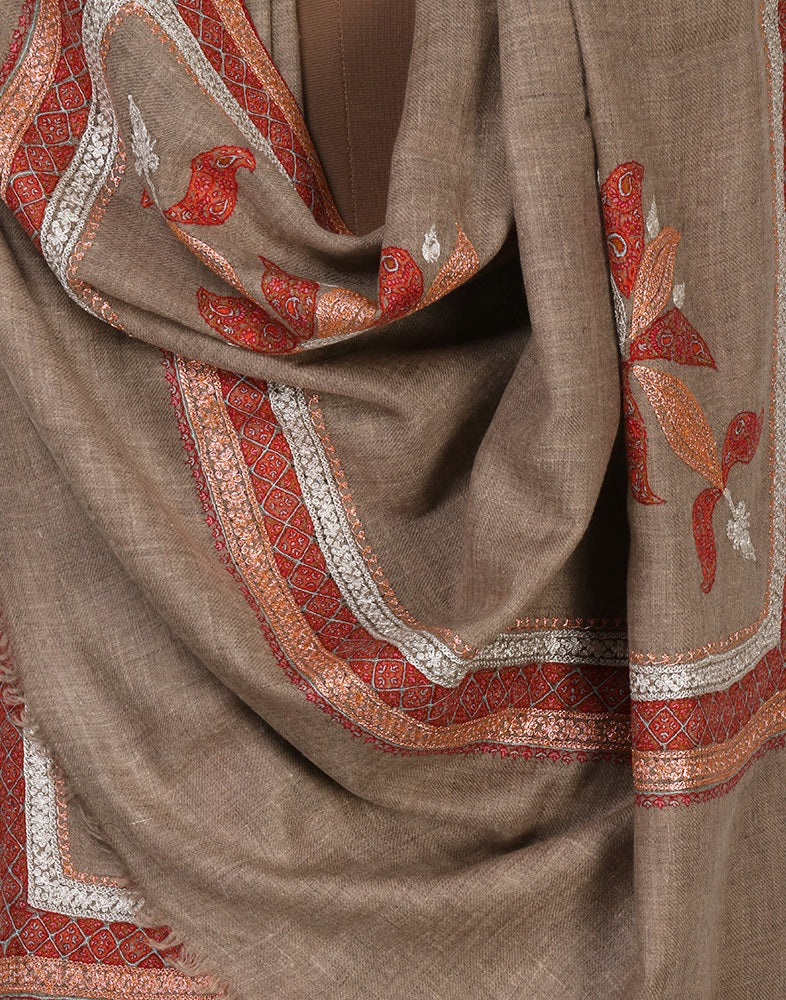
Historical Context:
Commercial cashmere production began in the 13th century with the Mughal Empire—particularly Emperor Akbar—expanding its global popularity. Historical documents show that cashmere shawls were the first known products in global fashion, establishing cashmere’s luxury heritage over centuries.
- Fiber diameter: 13-19 microns (nearly half the thickness of regular wool at 30 microns)
- Warmth factor: 8 times warmer than regular sheep wool while remaining lightweight
- Weight: Ultra-lightweight compared to wool
- Annual yield per animal: Only 200-250 grams (compared to 2-8 kg from sheep)
- Softness: Ultra-soft texture with smooth surface; no itchiness
- Elasticity: 25.63-31.42% elastic recovery for excellent shape retention
- Moisture regain: 17% (highest among all fibers; can absorb 35% of own weight in moisture)
- Durability: Exceptional when properly cared for; quality pieces last decades
Silk Scarves
Origin & Source:
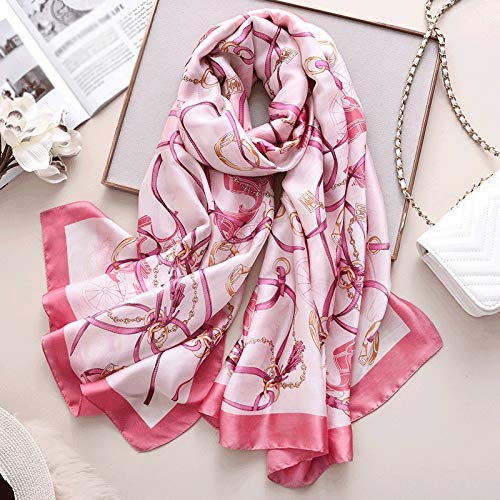
Silk originates from ancient China, with weaving cloth beginning there as a carefully guarded secret for nearly a millennium. Produced by the Bombyx mori silkworm that feeds exclusively on mulberry leaves, silk production is called sericulture. Each silkworm spins a cocoon containing up to 1,500 meters of continuous silk filament before being harvested to preserve the thread integrity.
Historical Context:
Silk has been a symbol of wealth since ancient times. For around 1,000 years, only the Chinese emperor and highest dignitaries were permitted to wear and use silk due to its shimmering appearance. The fabric’s prism-like structure reflects light from every angle, making it a luxury status symbol that gradually became available to lower classes over centuries.
- Fiber structure: Continuous filament from cocoon (unbroken thread unlike staple fibers)
- Strength in lab conditions: Tensile strength comparable to steel of same diameter
- Real-world durability: Weakens when exposed to moisture, sunlight, or abrasion
- Weight: Lightweight; provides warmth for its weight but less than cashmere
- Breathability: Excellent air circulation; prevents overheating and clammy feeling
- Moisture absorption: Up to 30% of own weight (less than cashmere’s 35%)
- Smooth texture: Glides comfortably against skin with minimal friction
- Elasticity: Elastic but less recovery than cashmere
- Shine & luster: Natural sheen from prism-like surface structure
KEY FACTORS FOR SELECTION
Performance Comparison Table
PRICING ANALYSIS
Retail Pricing – Individual Consumers
- Budget cashmere blends: ₹150-300/piece
- Standard cashmere blends: ₹500-1,000/piece
- Quality cashmere (60-80% cashmere): ₹1,500-2,500/piece
- Premium pure cashmere (100%): ₹3,500-8,000/piece
- Luxury designer cashmere: ₹10,000-20,000+/piece
- Handmade embroidered cashmere: ₹5,000-20,000+/piece
- Budget silk blends: ₹150-500/piece
- Standard silk: ₹700-1,200/piece
- Quality silk (charmeuse, pure silk): ₹1,200-2,000/piece
- Premium silk (handprinted, heritage designs): ₹2,500-6,000/piece
- Luxury designer silk: ₹5,000-8,500+/piece
Key Insight: Cashmere commands 30-50% premium over comparable silk due to scarcity (3 goats needed for one cashmere shawl vs. multiple silkworms for silk production) and superior warmth properties.
Wholesale Pricing – B2B & Retailers
- Cashmere blends (MOQ 50-100 units): ₹150-300/piece
- Quality cashmere (MOQ 25-50 units): ₹400-800/piece
- Pure premium cashmere (MOQ 50-100 units): ₹1,200-3,000/piece
- Corporate gifting (MOQ 50-100 custom units): ₹500-2,500/piece (with branding)
- Silk blends (MOQ 50-100 units): ₹100-250/piece
- Quality silk (MOQ 50-100 units): ₹300-700/piece
- Premium silk (MOQ 50-100 units): ₹800-1,500/piece
- Corporate gifting (MOQ 50-100 custom units): ₹400-1,500/piece (with branding)
Profit Margins Breakdown
Wholesale Margin: 10-30% of wholesale price
Retail Markup: Typically 2-3x wholesale price
Example – Cashmere:
- Manufacturing cost: ₹500
- Wholesale price: ₹750 (50% markup on cost)
- Retail price: ₹1,500-2,250 (2-3x wholesale)
- Retailer’s margin: 50-66%
Example – Silk:
- Manufacturing cost: ₹250
- Wholesale price: ₹375 (50% markup on cost)
- Retail price: ₹750-1,125 (2-3x wholesale)
- Retailer’s margin: 50-66%
MARKET TRENDS & DEMAND (2025)
Global Market Growth
- Global market size (2024): USD 1.8 billion
- Projected 2033: USD 2.9-5.6 billion
- CAGR: 4.5-5.4% growth annually
- Key drivers: Rising disposable incomes in emerging markets, sustainability focus, fashion trends, celebrity endorsements
- Growing demand for versatile luxury accessories
- Strong market in Asia Pacific driven by cultural appreciation for fine textiles
- Increasing interest in hand-printed and heritage designs
Emerging Trends
- Blended cashmere: 60-80% cashmere blends gaining traction for affordability while maintaining luxury
- Sustainable sourcing: Growing demand for ethical, traceable supply chains with animal welfare certifications
- Personalization: Bespoke designs, monogramming, and limited-edition collections
- E-commerce expansion: Direct-to-consumer models thriving; immersive online shopping experiences
- Circular economy: Recycling and upcycling programs emerging
- Premium positioning: Luxury brands emphasizing limited editions for exclusivity
- Digital printing enabling vibrant custom designs
- Handprinted silk gaining appeal for artisanal value
- Growing demand for sustainable silk production
- Fashion-forward designs targeting younger demographics
Market Preference: Female segment dominates (60-70% of market for both) due to broader fashion-forward purchasing power, with growing unisex and male segments.
CUSTOMER SEGMENT ANALYSIS
1. Individual Fashion Consumers
Who They Are: Fashion-conscious individuals buying scarves for personal style
- Luxury status symbol and investment piece
- Superior warmth for winter fashion
- Hypoallergenic for sensitive skin
- Can wear for 20+ years if properly maintained
- Versatile styling across formal and casual occasions
- Emotional value; gifting occasions
- Year-round versatility; works in transitional weather
- Elegant drape for formal occasions
- Cooler feel; ideal for those who overheat
- Lower initial investment
- Wider color palette available
- Modern, sleek aesthetic
Recommendation:
- Cashmere for: Winter-focused individuals, colder climates, investment mindset, sensitive skin
- Silk for: Year-round wearers, fashion-forward individuals, budget-conscious luxury seekers, warm climate residents
2. Retail Businesses & Boutiques
- Mix of both cashmere and silk for customer variety
- Stock options from ₹500-5,000 range for mass market appeal
- Premium 100% cashmere for high-end boutiques (₹5,000-20,000+)

- Cashmere blends: 40-60% retail margin (easier sells, good turnover)
- Pure cashmere: 50-70% retail margin (lower turnover, higher value)
- Silk: 40-60% retail margin (good turnover, consistent demand)
- Cashmere requires rotation; customers value “worn” older pieces as investment
- Silk requires careful UV/moisture protection to maintain luster
- Seasonal stocking: cashmere peaks winter (Nov-Feb), silk year-round with spring/summer peaks
Business Advantage:
- Cashmere: Higher perceived value justifies premium positioning; loyal customer base
- Silk: Faster turnover; appeals to trend-conscious buyers
3. B2B Corporate & Wholesale Buyers
- Hotels, spas, wellness centers (employee gifting, guest amenities)
- Corporate companies (executive gifts, client appreciation)
- Luxury retail chains (bulk stocking)
- Wholesale distributors
- Travel agencies and tourism businesses
- Government institutions (official gifts)
- Perceived value: Recipients associate cashmere with prestige and company quality
- Corporate gifting sweet spot: ₹500-2,500/piece (wholesale: ₹300-1,200)
- Customization: Branding with company logos/colors; luxury packaging
- Bulk economies: MOQ 50-100 units; prices reduce to ₹300-800/piece for premium quality
- Durability: Recipients keep and use pieces for years; extended brand visibility
- Gift appeal: Executives and VIP clients appreciate luxury warmth and softness
- Hotel premium: High-end hotels prefer cashmere for turndown service or VIP packages
- Cost-effective gifting: ₹300-1,500 wholesale budget
- Faster production: Easier to customize than cashmere
- Lighter packaging: Shipping costs lower than cashmere
- Year-round gifting: Not seasonal; can gift any time
- Appeal range: Suitable for mid-tier corporate gifting
B2B Pricing Example – Cashmere:
- Volume 50-100 units: ₹600-1,200/piece (retail markup = ₹2,000-3,500)
- Volume 200+ units: ₹400-800/piece (retail markup = ₹1,500-2,500)
- Custom embroidered: Add 20-30% to base price
- Packaging branding: Add ₹50-150 per unit
- Volume 50-100 units: ₹300-600/piece (retail markup = ₹900-1,800)
- Volume 200+ units: ₹200-400/piece (retail markup = ₹600-1,200)
- Custom printed: Add 15-20% to base price
- Packaging: Add ₹30-80 per unit
Market Size Opportunity:
- India’s B2B corporate gifting market for textiles: Growing 8-12% annually
- 50-100 piece orders are standard minimum for bulk discounts
- Cashmere commands 40-50% premium over silk for corporate gifting
WORTH & VALUE PROPOSITION
Cashmere Worth Analysis
Short-Term Value (0-2 years):
- High initial investment (₹3,500-10,000+)
- Immediate luxury perception and status
- Excellent gift-giving value
- Strong resale value (60-70% of retail)
Long-Term Value (5-10+ years):
- Durability lifespan: 20+ years with proper care
- Cost per wear: Spreads investment across hundreds of wearings
- Quality improvement: Premium cashmere often feels better after initial softening
- Investment return: High-quality cashmere pieces appreciate in vintage fashion markets
- Sustainability: Reduces consumption; single piece lasts decades vs. fast-fashion alternatives
- Only 3 goats produce enough fiber for one cashmere shawl
- 8 times warmer than regular wool
- Can absorb 35% of weight in moisture (best in class)
- No itchiness or static with high-quality pieces
- Rare fiber; limited annual supply (200-250g per goat)
Silk Worth Analysis
Short-Term Value (0-2 years):
- Moderate investment (₹1,200-3,000)
- Good aesthetic and fashion appeal
- Excellent for transitional seasons
- Reasonable resale value (50-60% of retail)
- Durability concern: Weakens with UV exposure and moisture
- Cost per wear: Good if worn regularly in appropriate seasons
- Maintenance: Requires careful storage (dark, dry areas)
- Fading: Visible color degradation after 3-5 years of regular wear
- Not heirloom material: Unlike cashmere, rarely passed down
Sustainability Factor:
- Sericulture involves cocoon boiling (ethical concerns for some)
- Peace silk (undyed cocoons) available but premium priced
- Biodegradable but shorter lifespan means more frequent replacement
COMPREHENSIVE COMPARISON TABLE FOR DECISION-MAKING
SELECTION GUIDE BY CUSTOMER TYPE
For Individual Fashion Consumers
Choose Cashmere If:
- You live in cold climate and wear scarves Nov-March
- You value investment pieces lasting 10+ years
- You have sensitive or dry skin
- You appreciate timeless luxury over trends
- You want to gift something prestigious
- Budget: ₹3,500-8,000/piece justifiable
Choose Silk If:
- You wear scarves year-round
- You prioritize aesthetic elegance and drape
- You live in warm/temperate climate
- You follow fashion trends
- You prefer lighter weight accessories
- Budget: ₹1,200-2,500/piece
For Retailers
Stock Cashmere When:
- Positioned as luxury boutique
- Target affluent customers (affluent neighborhoods)
- Can maintain proper inventory conditions
- Plan multi-seasonal stocking (winter premium, year-round availability)
- Willing to invest in education (customer education on quality)
- Margin priority over turnover
Stock Silk When:
- Positioned as contemporary fashion retailer
- Target trend-conscious buyers
- Need faster inventory turnover
- Space/storage limited
- Budget constraints for initial inventory investment
- Volume sales priority
For B2B Corporate/Wholesale
Choose Cashmere For:
- Hotels/Spas: Luxury 5-star properties (turndown service, VIP packages)
- Corporate: Executive-level gifting; client appreciation for C-suite executives
- Tourism: Premium travel agencies gifting to high-value clients
- Government: Official diplomatic gifts; state visits
- Budget: ₹500-2,500/piece wholesale optimal (recipient perception ₹2,000-8,000)
- MOQ: 50-100 units; negotiate to ₹600-1,200/piece for premium quality
- Lead time: 3-4 weeks for standard; 6-8 weeks for custom embroidery
Choose Silk For:
- Hotels/Restaurants: 3-4 star properties; general guest amenities
- Corporate: Mid-level employee gifting; seasonal bonuses
- Institutions: Educational, healthcare institutions
- Retail: Chain stores; mass-market gifting
- Budget: ₹200-1,000/piece wholesale optimal (recipient perception ₹800-2,500)
- MOQ: 100+ units; negotiate to ₹300-600/piece for volume
- Lead time: 2-3 weeks standard; 4-5 weeks custom
MARKET TRENDS & FUTURE OUTLOOK
Cashmere Market (2025-2033)
- Growth trajectory: 4.5-5.4% CAGR; market reaching ₹5,600-5,800 billion by 2033
- Asia Pacific dominance: 50%+ market share; China, India leading in both production and consumption
- Blended cashmere surge: 60-80% blends capturing middle market (₹1,500-3,500 range)
- B2B corporate gifting: Growing 8-12% annually; ethical sourcing premium justifiable
- E-commerce: Direct-to-consumer (DTC) models reducing retail margins but expanding addressable market
- Sustainability: Certified ethical cashmere commanding 15-25% premium; consumer willingness to pay growing
- Personalization: Custom/monogrammed cashmere growing 20%+ annually; luxury positioning
Silk Market (2025-2033)
- Steady growth: 3-4% CAGR; stable but not explosive expansion
- Heritage appeal: Handprinted silk gaining traction for artisanal value
- Sustainability: Peace silk and eco-friendly sericulture gaining market share
- Technology: Digital printing enabling rapid customization; reducing production time
- Fashion cycles: Trend-dependent; seasonal variations more pronounced than cashmere
WHICH SHOULD YOU CHOOSE?
For Fashion Individuals: Cashmere if you value long-term investment and winter warmth; Silk if you prefer year-round elegance
For Retailers: Cashmere for luxury positioning and higher margins; Silk for volume sales and faster turnover
For B2B Corporate: Cashmere for executive/premium gifting where perceived value matters; Silk for mass employee gifting within constrained budgets
For Maximum ROI as B2B Supplier: Stock both—cashmere for premium tier clients (5-star hotels, C-suite executives), silk for mid-tier clients (3-4 star hotels, mid-level corporate). Blended cashmere (60-80%) occupies middle ground for accessible luxury positioning.

