French
  Deutsch
  Spanish
  الإمارات
  English
 When choosing a scarf, understanding the fundamental differences between yarn-dyed and printed varieties can help you make an informed decision based on quality, durability, and design preferences. These two manufacturing approaches create distinctly different products with unique characteristics that affect everything from longevity to cost.
Manufacturing Process
Yarn-Dyed Scarves
Yarn-dyed scarves are created through a process where individual yarns are dyed in various colors before being woven into fabric. This technique involves dyeing the threads prior to the weaving process, allowing for intricate patterns like stripes, checks, and plaids to be literally woven into the fabric’s structure. The process is more labor-intensive and time-consuming, requiring careful planning and engineering to achieve specific color palettes and designs.
The yarn dyeing process includes several key steps: yarn selection, where natural fibers like cotton, silk, or linen are chosen; dyeing individual yarns in specialized vats where color penetrates and saturates the fibers thoroughly; and careful drying to set the colors before weaving begins. This method creates patterns through the weaving process itself, where different colored yarns are strategically positioned to form the desired design.
Printed Scarves
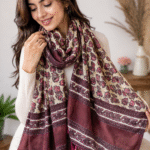
Printed scarves, in contrast, start with undyed or solid-colored fabric that is then decorated using various printing techniques. The printing process applies ink or dye directly onto the fabric surface after it has been woven. Modern printed scarves commonly use digital printing technology, which works like a high-end inkjet printer designed for fabric, allowing for unlimited colors and complex designs including photographs and gradients.
Screen printing is another common method for printed scarves, where stencils are used to apply different colors one at a time through mesh screens. This traditional technique can create vibrant, durable prints but is typically limited to simpler designs with fewer colors compared to digital printing.
Color Quality and Durability
Superior Color Fastness in Yarn-Dyed Scarves
One of the most significant advantages of yarn-dyed scarves is their exceptional color fastness. Because the dye penetrates deep into the yarn fibers before weaving, the colors are more vibrant and long-lasting compared to printed alternatives. This deep penetration creates a strong bond between the dye and fibers, ensuring colors remain brilliant even after multiple washes and extended use.
Yarn-dyed fabrics exhibit superior resistance to fading and discoloration, maintaining their bright appearance over time. This durability makes them ideal for products requiring frequent washing and long-term use. The color appears equally vibrant on both sides of the fabric, as the pattern is woven throughout rather than applied to the surface.
Printed Scarf Limitations
Printed scarves, while offering design flexibility, typically have colors that sit on the fabric surface, making them more susceptible to fading and bleeding over time. The ink may not fully penetrate the fabric, resulting in reduced color depth and potential issues with washing. Digital prints, while high-quality initially, may show signs of wear and fade after frequent washing or exposure to sunlight.
However, modern digital printing technology has improved significantly, with specially formulated inks that bond well with fabric fibers, creating more durable and fade-resistant prints than traditional methods. High-quality digital prints can maintain their appearance for extended periods, though they still may not match the longevity of yarn-dyed alternatives.
Design Capabilities and Limitations
Yarn-Dyed Design Constraints
Yarn-dyed scarves are somewhat limited in their design possibilities due to the nature of the weaving process. Patterns typically consist of stripes, checks, plaids, and geometric designs that can be created through the strategic arrangement of different colored yarns. While these limitations exist, yarn-dyed fabrics can achieve intricate and sophisticated patterns that showcase traditional textile craftsmanship.
The complexity of yarn-dyed designs depends on the weaving technique used, with more elaborate patterns requiring advanced planning and skilled craftsmanship. These scarves often feature a more rustic, authentic appearance that appeals to consumers seeking traditional textile aesthetics.
Unlimited Design Freedom in Printed Scarves
Printed scarves offer virtually unlimited design possibilities. Digital printing technology can reproduce any image, from detailed landscapes and portraits to abstract art and complex photographic designs. This flexibility allows for quick design changes and customization without the need for new equipment or extensive setup.

Screen printing, while more limited than digital printing, still offers good design flexibility for bold graphics, logos, and artwork with solid colors. The choice between printing methods often depends on the complexity of the design and the desired quantity.
Cost Considerations
Higher Production Costs for Yarn-Dyed
Yarn-dyed scarves typically command higher prices due to their more complex manufacturing process. The additional steps involved in dyeing individual yarns, planning color schemes, and executing intricate weaving patterns require more time, skilled labor, and specialized equipment. Manufacturing costs for yarn-dyed fabrics can be significantly higher, with knitting charges ranging from $0.47 to $2.24 per kilogram depending on complexity.
Cost-Effective Printed Options
Printed scarves are generally more affordable, especially those made from synthetic materials. Regular polyester printed scarves can range from $2.10 to $4.50 per piece, making them accessible to a broader consumer base. The conventional manufacturing process for printed fabrics results in lower production costs compared to yarn-dyed alternatives.
Digital printing offers cost advantages for small runs and complex designs, while screen printing becomes more economical for larger quantities with simpler patterns. The choice of printing method can significantly impact the final cost structure.
Quality and Texture Differences
Yarn-Dyed Quality Characteristics
Yarn-dyed scarves are renowned for their superior quality and durability. The fabric maintains its shape and size better over time, contributing to the product’s longevity. These scarves often have a softer hand feel, gentle drape, and relaxed appearance that comes from the yarn-dyeing process. The consistent quality throughout the fabric, with no distinct right or wrong side, adds to their versatility.
Printed Scarf Characteristics
Printed scarves can achieve high-quality results, particularly with modern digital printing technology that creates smooth finishes where the design feels natural and embedded in the fabric. However, the thickness and texture can vary depending on the printing method used, with screen printing creating slightly thicker ink layers that may be noticeable to touch.
Environmental Considerations
Yarn dyeing generally uses fewer chemicals and produces less wastewater with lower chemical contamination compared to piece-dyeing processes. The water consumption for yarn dyeing is also typically lower, making it a more environmentally conscious choice. However, both methods can be optimized for sustainability through the use of eco-friendly inks and responsible manufacturing practices.
Making the Right Choice
The decision between yarn-dyed and printed scarves ultimately depends on your priorities. Choose yarn-dyed scarves if you value superior durability, color fastness, and traditional craftsmanship, and don’t mind paying a premium for these qualities. Opt for printed scarves if you prioritize design flexibility, affordability, and want access to complex patterns or photographic imagery.
For wholesale buyers and fashion brands, consider your target market’s preferences, price sensitivity, and quality expectations when making this choice. Both options have their place in the market, serving different consumer needs and style preferences.